Optimizing Systematic Literature Reviews for CERs: Common Deficiencies and How to Avoid Them
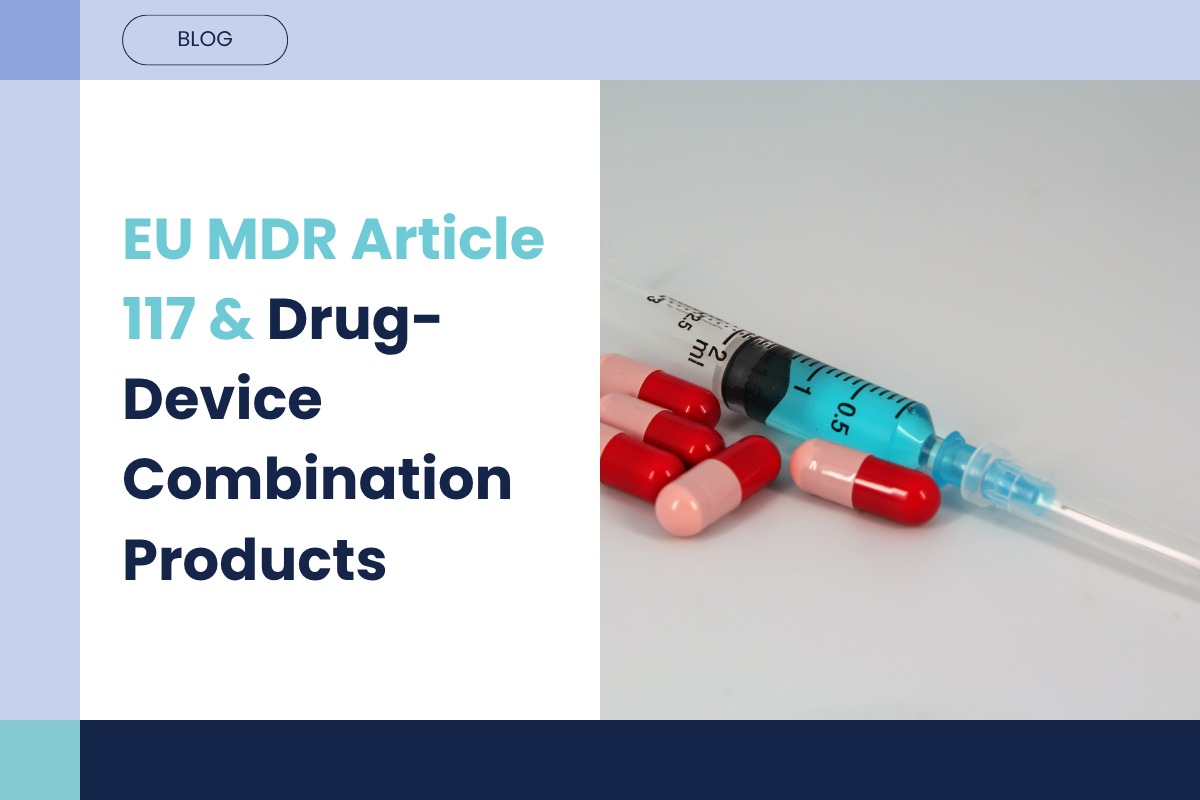
MDR Article 117: What It Means — And How We Help You Get Ahead
16 Apr, 2026
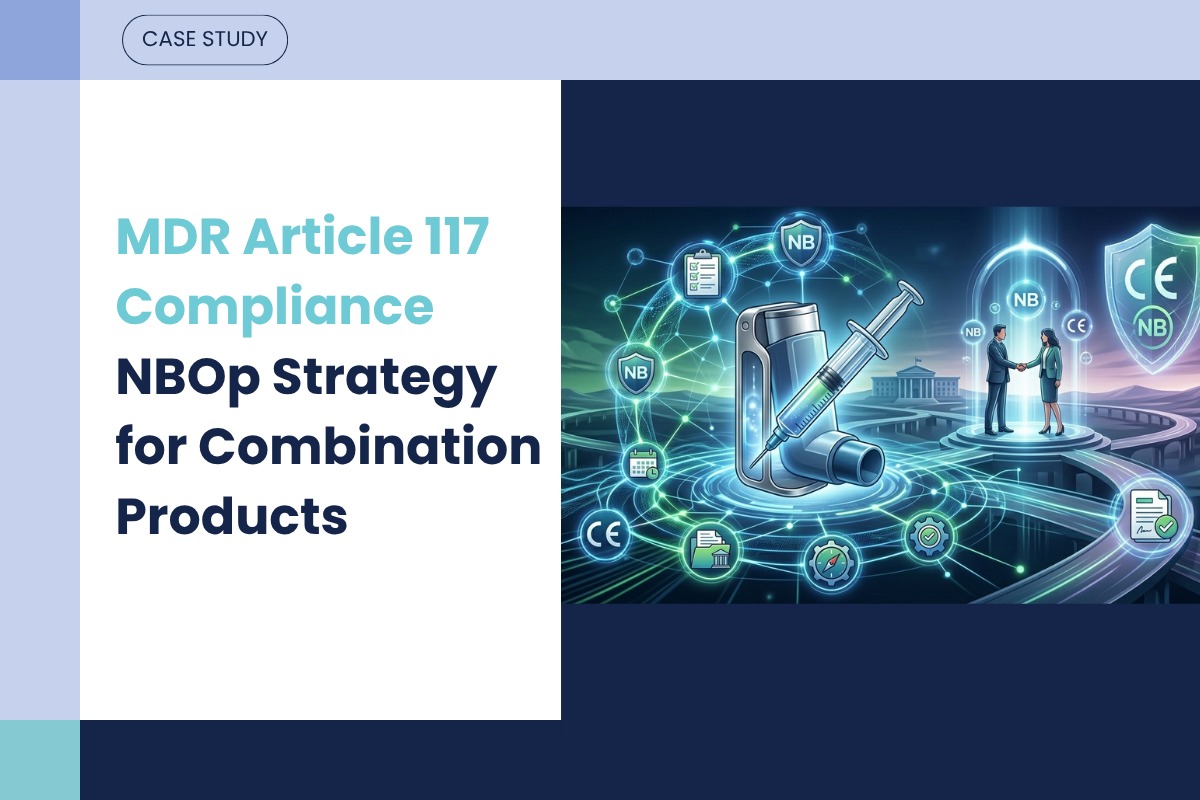
If your medicinal product includes an integral medical device—like a prefilled syringe, auto‑injector, inhaler, or pen – you’re now operating under the requirements of MDR Article 117. That means one thing: your device component must meet MDR Annex I General Safety and Performance Requirements, and you may need a Notified Body Opinion (NBOp) before submitting your Marketing Authorization Application.
For many pharma teams, this added layer of regulatory assessment can slow timelines and increase uncertainty.
That’s where expert support makes all the difference.
Why Article 117 Matters
Without a compliant device dossier or NBOp, your medicinal product cannot move forward in the EU approval process. The Notified Body will examine everything from design and manufacturing data to risk management, biological safety, usability, packaging, shelf-life, and more.
This process is detailed, and delays are common when documentation is incomplete or not structured in accordance with NB expectations.
Where Things Often Go Wrong
Even where stakeholders are clear that Article 117 applies to their product, practical application is challenging because the provision sits at the interface of two regulatory frameworks that operate according to different logics. Pharmaceutical teams are accustomed to medicines‑led concepts such as Quality Target Product Profile, clinical benefit–risk, and lifecycle variations, whereas Article 117 effectively imports medical device conformity expectations such as Annex I GSPRs, device risk management, and usability engineering into the marketing authorization process. Difficulties frequently arise in deciding how much device evidence is sufficient, and how it should be presented in the MAA, particularly where responsibilities are split between a marketing authorization holder and a separate device manufacturer. In practice, this often leads to fragmented dossiers, inconsistent statements about device intended use, or gaps between pharmaceutical risk assessments and device risk management files.
A second area where applicants commonly go wrong is underestimating the procedural and strategic impact of the Notified Body Opinion required under Article 117. The NBOp is sometimes treated as a supporting formality rather than a binding assessment, leading to late engagement with a Notified Body or parallel submission of the MAA and NBOp application without sufficient contingency. When the Notified Body identifies partial non‑compliance with relevant GSPRs such as deficiencies in usability validation, biocompatibility justification, or device performance evidence the resulting negative or conditional opinion cannot be overridden by medicines regulators. This frequently causes avoidable delays, clock‑stops, or withdrawal of applications. More broadly, applicants often struggle with lifecycle management, particularly in determining whether post‑approval device changes constitute a “significant change” triggering renewed Article 117 assessment, an area where regulatory expectations are still evolving and require careful, case‑by‑case judgement.
How We Help You Accelerate Article 117 Compliance
We don’t just support your submission; we actively de-risk it. Our approach is built around how Notified Bodies review Article 117 files, helping you avoid delays and accelerate approval.
- Gap Assessment Against NB Expectations : We evaluate your device documentation the way a Notified Body reviewer would — going beyond guidelines to reflect real-world review behavior and expectations.
- Annex II/III File Built for Review Efficiency : We don’t just compile technical documentation — we structure it strategically to minimize review cycles, reduce queries, and streamline assessment.
- Integrated Device–Drug Strategy : We align device risk management, usability, and clinical evidence with your MAA, ensuring consistency across regulatory modules and preventing cross-review issues.
- Pre-submission NB Readiness Checks : We proactively identify red flags and gaps before submission — addressing the root cause of most regulatory delays.
- End-to-End NBOp Handling : From submission strategy through query response, we remain fully engaged — supporting communication with the Notified Body until approval.
What We Deliver
As a specialized regulatory partner, we provide hands-on support across every stage:
- Technical Documentation Preparation : Development and organization of MDR-compliant Annex II/III files tailored to Notified Body expectations.
- GSPR Compliance Strategy : Clear, well-justified, and reviewer-friendly checklists designed to facilitate faster assessment.
- Risk, Biocompatibility & Verification Support : Comprehensive coverage including ISO 14971 risk management, ISO 10993 biocompatibility, stability studies, usability, packaging, and sterilization.
- NBOp Submission & Communication : Expert guidance through the Notified Body Opinion process, including submission planning and query management to avoid delays.
Move from Complexity to Confidence
Article 117 doesn’t have to slow your submission. With the right regulatory partner, you can streamline the NBOp review, strengthen your documentation, and keep your EU marketing timelines on track.
Want seamless Article 117 compliance?
EMDR Article 117 has reshaped the approval pathway for combination products in the EU. With increasing scrutiny and strict documentation requirements, early planning and expert regulatory guidance make all the difference.
If you’re preparing for an Article 117 submission or need support with your NBOp documentation, our team is here to help you navigate the process with confidence. Reach out to info@celegence.com to learn more.
AUTHORED BY

Medical Writer
Chetan Raibagi

Other Related Articles
19 Aug, 2026

13 Aug, 2026
13 Aug, 2026
06 Aug, 2026
04 Aug, 2026
29 Jul, 2026