ICH M4Q(R2): Why the Future of CMC Is About Structured Quality Information
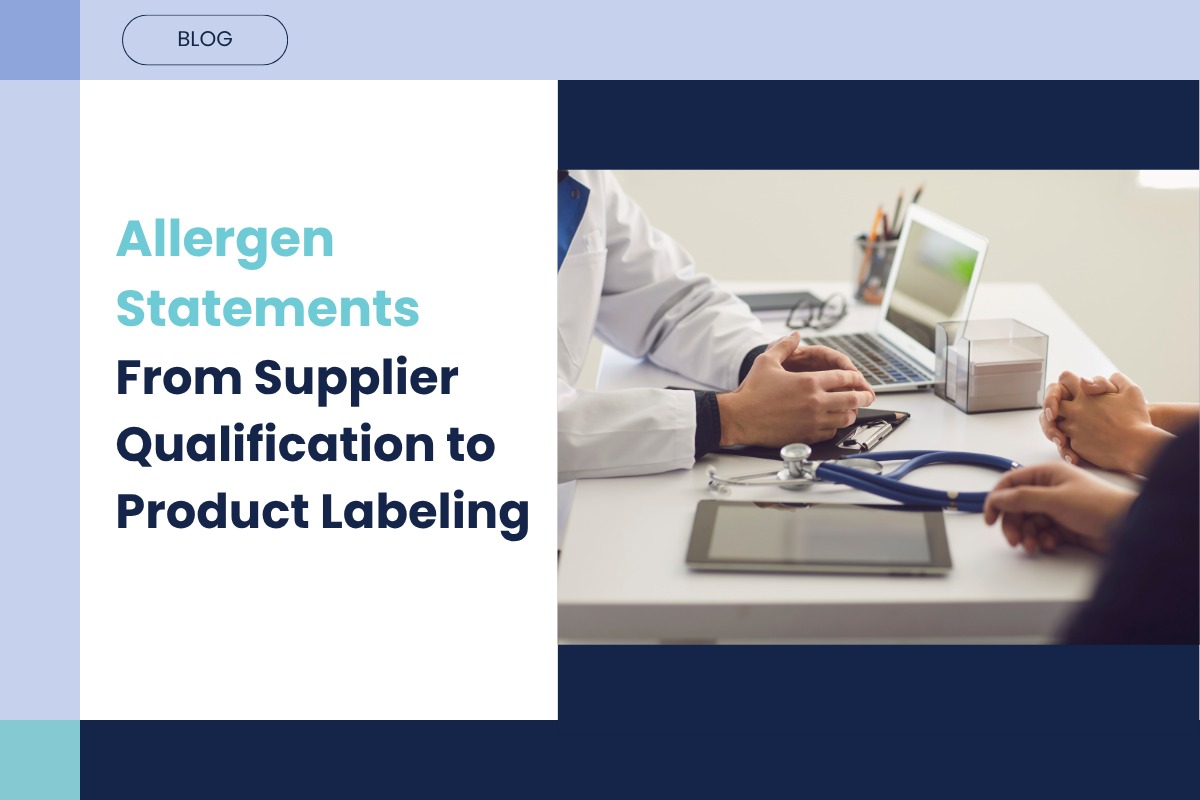
From Supplier to Label: Mastering Allergen Statements in Drugs and Cosmetics
05 Jun, 2026
Allergen statements for raw materials in pharmaceuticals and consumer products ensure patient and consumer safety by disclosing potential allergenic substances in active pharmaceutical ingredients (APIs), excipients, or components like fragrances. These declarations address regulatory mandates across regions, focusing on risk assessment, labeling, and control during qualification. Compliance prevents hypersensitivity reactions, which affect a small but critical portion of users.
Regulatory Overview
Pharmaceutical regulations require detailed excipient listing, with special emphasis on allergens like polyethylene glycol (PEG), lactose, and tartrazine. FDA mandates prominent labelling for hypersensitivity-linked excipients, while EMA lists those with known effects in an annex for immediate labelling and package leaflet warnings. In consumer products like cosmetics, US MoCRA demands fragrance allergen disclosure and Responsible Person contact details by set deadlines.
EU cosmetics rules expand allergen lists under Regulation (EU) 2023/1545, requiring updates for new and existing products by 2026-2028. Food-adjacent guidelines influence both sectors, mandating declarations for major allergens even in sub-ingredients.
Key regulatory requirements for allergen statements in pharmaceuticals focus on excipients and APIs with hypersensitivity risks, mandating clear labeling to protect patients. FDA and EMA enforce prominent declarations for substances like PEG, lactose, and gelatin, integrated into drug labels and package leaflets. These rules stem from directives emphasizing complete excipient disclosure and risk warnings.
US FDA Requirements
FDA requires detailed excipient labeling for all drugs, with special prominence for those linked to hypersensitivity like PEG, lactose, tartrazine, and parabens. Excipients must appear in ingredient lists; no advisory statements suffice—direct warnings apply for intentional inclusion. Recent guidelines prioritize patient alerts post-COVID vaccine reactions.
EU EMA Rules
EMA mandates listing all excipients in parenteral, ocular, topical medicines, and those in its annex on labels and leaflets per Directive 2001/83/EC. Annex excipients (e.g., PEG, polysorbates, dyes) require specific warnings like concentration thresholds or reaction risks. The Excipients Drafting Group updates the annex regularly via public consultation.
ICH and Global Standards
ICH Q7 supports raw material qualification with purity and contaminant controls, indirectly aiding allergen management in APIs/excipients. Ph. Eur. monographs demand source material identity, in-house references, and potency tests for natural allergen products. Emerging mandates, like India’s excipient disclosure on Schedule H2 labels, align with global trends for QR-linked details.
Key Allergens in Raw Materials
Common allergens span proteins, preservatives, and dyes in raw materials.
- Pharma excipients: PEG, polysorbates, gelatin, mannitol trigger reactions; must be labelled if above thresholds.
- Food-derived: Peanut oil, lactose, sulphites require warnings like “Contains arachis oil (peanut oil). If allergic to peanut or soya, do not use.”
- Cosmetics: 26+ fragrance allergens plus expanded lists; professional products note compliance.
- Source materials: Pollen, mites, nuts demand identity, purity tests per Ph. Eur.
Qualification Process
Qualify raw materials through supplier audits, risk-based testing, and controls per ICH Q7 for APIs/excipients. Assess identity, purity, potency using ELISA, Western blot, HPLC; monitor contaminants like aflatoxins. EMA requires source material details, storage stability, and in-house references for consistency.
Implementation Best Practices
Integrate allergen management into quality systems with periodic reviews. Train staff on controls; update via variations for authorized products. For blogs or case studies, reference real-world PTAH manufacturing where flour sourcing met strict limits. Consult latest annexes, as revisions occur frequently.
Labelling information.
EU and US regulations mandate labelling for specific excipients linked to hypersensitivity or known effects, with all excipients listed in package leaflets and select ones prominently on labels. FDA focuses on prominent disclosure for high-risk ones like PEG and tartrazine, while EMA’s annex requires warnings for a broader set on labels and leaflets.
- US FDA Mandatory Excipients
FDA requires all excipients in ingredient lists, but prominent labelling for those with hypersensitivity risks.
- PEG, lactose, tartrazine (FD&C Yellow No. 5), parabens, gelatin: Must appear boldly; tartrazine needs warning “may cause allergic-type reactions.”
- Applies to all drugs; post-COVID emphasis on PEG.
- EU EMA Mandatory Excipients
EMA lists all excipients in package leaflets; label requirements for parenteral/ocular/topical products and annex items per Directive 2001/83/EC.
Annex examples include aprotinin (topical, zero threshold: “May cause hypersensitivity”), PEG, polysorbates, benzyl alcohol, propylene glycol.
Comparison Table
| Excipient | US FDA (Prominent Label) | EU EMA (Label + Leaflet) | Notes |
|---|---|---|---|
| PEG | Yes | Yes (Annex) | Hypersensitivity risk |
| Lactose | Yes | Yes (warnings if > threshold) | Intolerance alerts |
| Tartrazine | Yes (warning required) | Yes | Allergic reactions |
| Parabens | Yes | Yes | Preservative sensitivity |
| Polysorbates | Recommended | Yes (Annex) | Emulsion issues |
| Aprotinin | N/A | Yes (topical, zero) | Severe allergies |
| Benzyl Alcohol | Recommended | Yes (Annex) | Neonatal risks |
Conclusion:
Allergen statements for raw materials in pharmaceuticals and consumer products remain essential for mitigating hypersensitivity risks, ensuring compliance, and safeguarding vulnerable users across global markets. Effective declarations integrate risk assessments, supplier qualifications, and clear labelling to address evolving regulations like FDA’s prominent warnings and EMA’s annex requirements.
Core Takeaways
Prioritize transparency in excipients like PEG, lactose, and polysorbates, which demand mandatory labelling in US and EU drugs. For consumer products, MoCRA and EU fragrance rules expand disclosures, emphasizing cross-contact controls during qualification.
Implementation Essentials
- Conduct supplier audits, ELISA testing, and GMP controls for raw materials per ICH Q7.
- Use standardized templates for declarations, updating via product variations.
- Monitor annex revisions and regional mandates for ongoing compliance.
How Celegence Can Support
Celegence supports pharmaceutical and consumer healthcare manufacturers in managing allergen-related compliance requirements across the product lifecycle. Our teams help organizations evaluate raw material risks, maintain regulatory compliance, and develop clear, scientifically justified documentation to support global market access. To learn more, contact us at info@celegence.com..
AUTHORED BY

Senior Technical Writer - Pharma Regulatory Services
Ganapathy IB

Other Related Articles
15 Jul, 2026
02 Jul, 2026
26 Jun, 2026
07 May, 2026
10 Apr, 2026